
An article to understand what is a substation
Release time:
2022-03-30
Source:
Author:
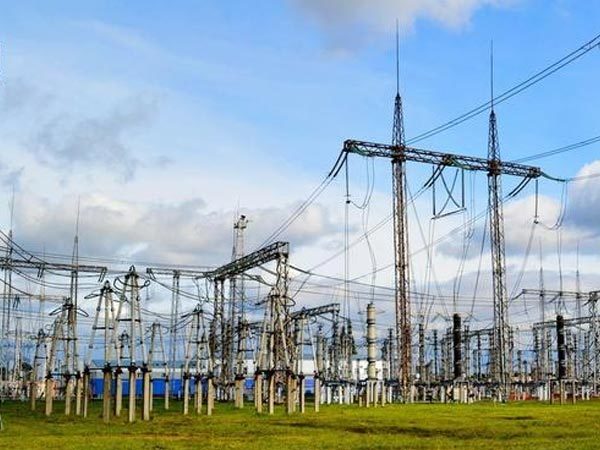
A substation is actually a hub for voltage conversion, but it is not as simple as a single transformer. It mainly converts high voltage into low voltage, or converts low voltage into high voltage, so as to achieve the purpose of converting voltage and transmitting voltage. The electricity from the power plant needs to be transmitted through lines, substations, and lines to the destination. Your project must be a comprehensive project, with complete planning and a substation, which shows its importance, because it is to supply power to surrounding facilities. It uses 220V electricity. Generally, factories or facilities use 380V electricity. If you pay attention to observe in the community or office, you will see some transformers. The function of the transformer is to convert the voltage, but the transformer in the community is 6kV or 10kV (10kV). The electricity of kilovolt) becomes 380V, which is the voltage level of daily electricity. The electricity output from the power plant is boosted to reach 500 kV, 330 kV, and 220 kV, and is output to the substation at a certain distance. Voltage output, from 500 to 330 to 220 to 110 to 35 to 10 (unit is kV), a voltage level will be added in front of the substation, such as: you said 110 kV** substation, his name 110 represents the power side The voltage level of the (caller), Wan is currently the main hub substations in China. The higher the voltage, the more mature the technology, and the less electricity is lost in the process of transmission. An ultimate hub substation, after the call passes through Transforming, taking 5 million volts as an example, the substation will output several 330 or 220 main lines after the transformation, and form several 330 and 220 hub substations. The substations of these voltage levels are the main domestic and foreign countries. Substations (a loss of power will lead to a large-scale paralysis of the power grid) 220 is dominated by (63) 110kV substations, and down (20) 35kV substations. The substation output of 35 is basically 10 or 6kV lines.
Classification
A type of substation. It refers to AC UHV stations, nuclear power, large-scale energy bases (3 million kw and above) outsourcing and inter-regional (North China, Central China, East China, Northeast China, Northwest China) liaison 750/500/330kV substations.
Class II substation. Refers to other than Class I substations, 750/500/330kV substations, substations outside the power plant (1,000,000 kW and above, 3,000,000 kW) and inter-provincial liaison 220kV substations, the main transformer or bus is out of service, the switch refuses to operate Substations that cause grid events of level 4 and above.
Three types of substations. Refers to 220kV substations other than Category II, substations sent outside the power plant (300,000 kW and above, and below 1,000,000 kW), and substations where the main transformer or busbar is out of service, and the switch refuses to act resulting in a five-level power grid event. Substations that directly supply power to important users.
Four types of substations. Refers to 35kV and above substations other than Category I, II and III.
equipment
1. Primary equipment Primary equipment refers to the equipment that directly produces, transmits, distributes and uses electrical energy, mainly including transformers, high-voltage circuit breakers, isolating switches, transformers (current transformers, voltage transformers), bus bars, arresters, capacitors, reactors Wait.
2. Secondary equipment The secondary equipment of the substation refers to the equipment that measures, monitors, controls and protects the operating conditions of the primary equipment and system. It mainly consists of relay protection devices, automatic devices, measurement and control devices, metering devices, Automation systems and DC devices that supply power to secondary equipment.
Relevant Information
What is the difference between substation and substation, and what are the functions of each?
Where the voltage is changed. In order to transmit the electric energy from the power plant to a distant place, the voltage must be raised to become high-voltage electricity, and the voltage must be lowered as needed near the user. The work of raising and lowering the voltage is done by the substation. The main equipment of a substation are switches and transformers.
2022-03-30

Those awesome electrical tech with transformers running side by side
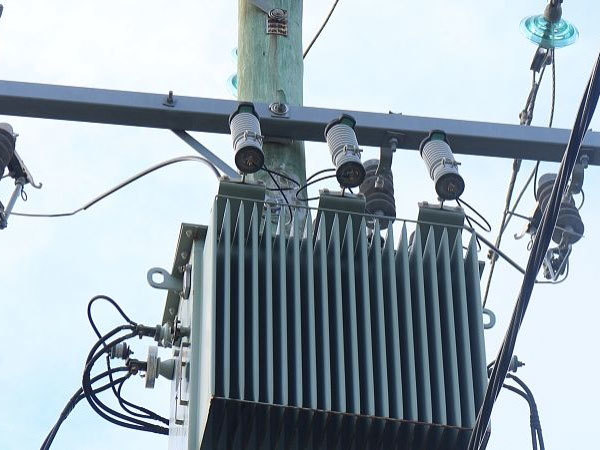
Transformer is an important power equipment in the power system, which generally runs for a long time. In order to make the transformer run safely and economically and improve the reliability of operation, generally two or more transformers are run in parallel.
2022-03-30
Why is it necessary to install noise controllers for transformers?
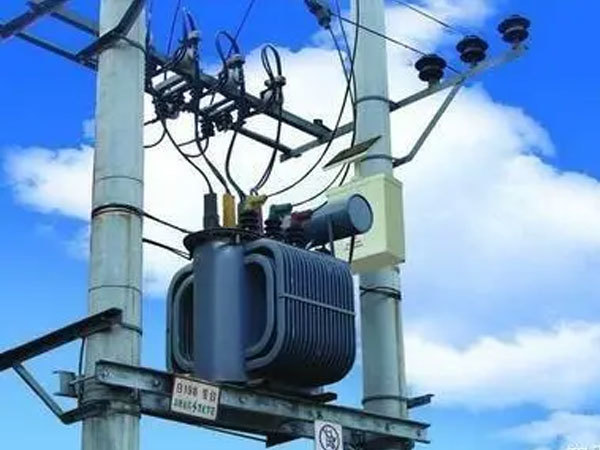
The sound of the transformer needs to be controlled, especially for the place where the transformer generates noise. Because the installation range of the transformer is relatively wide, the various uses of the transformer are relatively popular, and sometimes the installation position of the transformer is not correct. , bringing inconvenience to many residents and communities. At this time, the noise of the transformer must be controlled. Installing a controller for the noise of the transformer can solve this problem. How is the noise controller installed for the transformer?
2022-03-30

The main function and performance requirements of transformer oil
(1) Insulation effect: Transformer oil has a much higher dielectric strength than air. The insulating material is immersed in oil, which not only improves the dielectric strength, but also protects it from moisture.
2022-03-30
Links:
Contact
Address1: North Section of Longteng Road, Tai'an High-tech Zone, Shandong, China
Service hotline: 0086-538-6611222
Sales phone: 0086-538-893268
Website: https://www.elolam.com.cn
Email: elolam@126.com
